

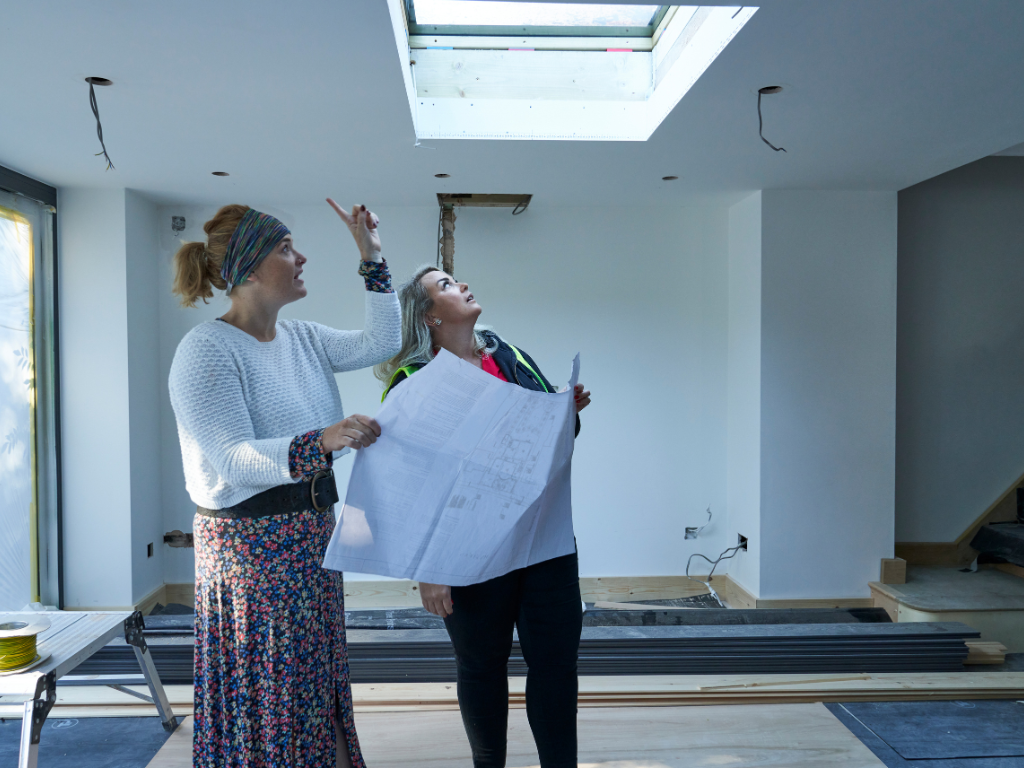
Adding an extension can be one of the most rewarding ways to improve your home. Whether you’re creating additional living space, extending a kitchen, or increasing the value of your property, a well-planned extension can transform how you live. However, planning a house extension involves more than choosing a design and hiring a builder. Many homeowners underestimate the complexity of the process, which can lead to delays, unexpected costs, and unnecessary stress. Understanding the most common mistakes can help you avoid problems and keep your project moving smoothly from concept to completion.
1. Starting Without a Clear Plan
One of the biggest mistakes homeowners make is beginning a project without clearly defining their objectives. Before speaking with designers or builders, consider:
- What additional space do you need?
- How will the new space be used?
- What is your budget?
- What are your long-term plans for the property?
A clear brief helps ensure that everyone involved understands your goals from the outset.
2. Underestimating the Budget
Many homeowners focus primarily on construction costs and overlook additional expenses.
Depending on the project, you may need to budget for:
- Architectural drawings
- Structural engineering
- Planning applications
- Building regulations
- Party wall matters
- Interior finishes
- Landscaping
Therefore, it’s important to establish a realistic budget and include a contingency for unexpected costs.
3. Not Considering Planning Requirements Early
Although some extensions fall under permitted development rights, others require planning permission. Failing to investigate requirements early can lead to delays and redesigns. Before progressing too far, ensure you understand:
- Planning constraints
- Local authority requirements
- Conservation area restrictions
- Neighbour considerations
Seeking professional advice early can save considerable time later.
4. Choosing Design Over Practicality
It’s easy to focus on how an extension will look. However, successful projects balance appearance with functionality.
Consider:
- Natural light
- Storage requirements
- Furniture layouts
- Traffic flow
- Energy efficiency
The most effective extensions not only look impressive but also improve everyday living.
5. Forgetting About Future Needs
Many homeowners design extensions around their current circumstances without considering future requirements.
Ask yourself:
- Will your family grow?
- Could your working arrangements change?
- Might accessibility become important in the future?
Planning ahead can help ensure your investment continues to add value for years to come.
6. Selecting Contractors Based Solely on Price
While budget is important, choosing the lowest quote is not always the best decision.
Instead, consider:
- Experience
- Previous projects
- Communication
- Reviews and testimonials
- Quality of workmanship
A well-managed project often provides better long-term value than the cheapest option.
7. Overlooking Project Management
Even relatively straightforward extensions involve multiple trades, suppliers, and stages of work. Without effective coordination, projects can experience delays, confusion, and unnecessary costs. This is one reason many homeowners choose a design and build approach, where a single team manages the project from design through to construction.
8. Failing to Communicate Expectations
Clear communication is essential throughout the project.
Homeowners should discuss:
- Budgets
- Timelines
- Design preferences
- Material choices
- Decision-making processes
Regular communication helps avoid misunderstandings and keeps the project aligned with expectations.
Why Professional Planning Matters
Successful extensions rarely happen by chance. They result from careful planning, realistic budgeting, clear communication, and experienced project management. By taking the time to address potential challenges early, homeowners can avoid many of the issues that commonly affect construction projects.
How Suburban Group Supports Homeowners
At Suburban Group, we understand that planning a house extension can feel overwhelming. Our design and build approach helps simplify the process by bringing design, planning, project management, and construction together under one experienced team.
This allows homeowners to benefit from:
- A single point of contact
- Improved communication
- Better project coordination
- Greater cost control
- Consistent quality throughout the build
Most importantly, it helps turn ideas into practical, beautifully delivered spaces.
Next Steps
A house extension is a significant investment in your home and lifestyle. By avoiding common mistakes and seeking professional guidance early, you can reduce stress, minimise delays, and achieve a better outcome. Whether you’re considering a kitchen extension, additional living space, or a complete redesign, careful planning remains one of the most important factors in a successful project. Suburban Group can guide you through every stage of the process. Contact the team today to discuss your needs.
