

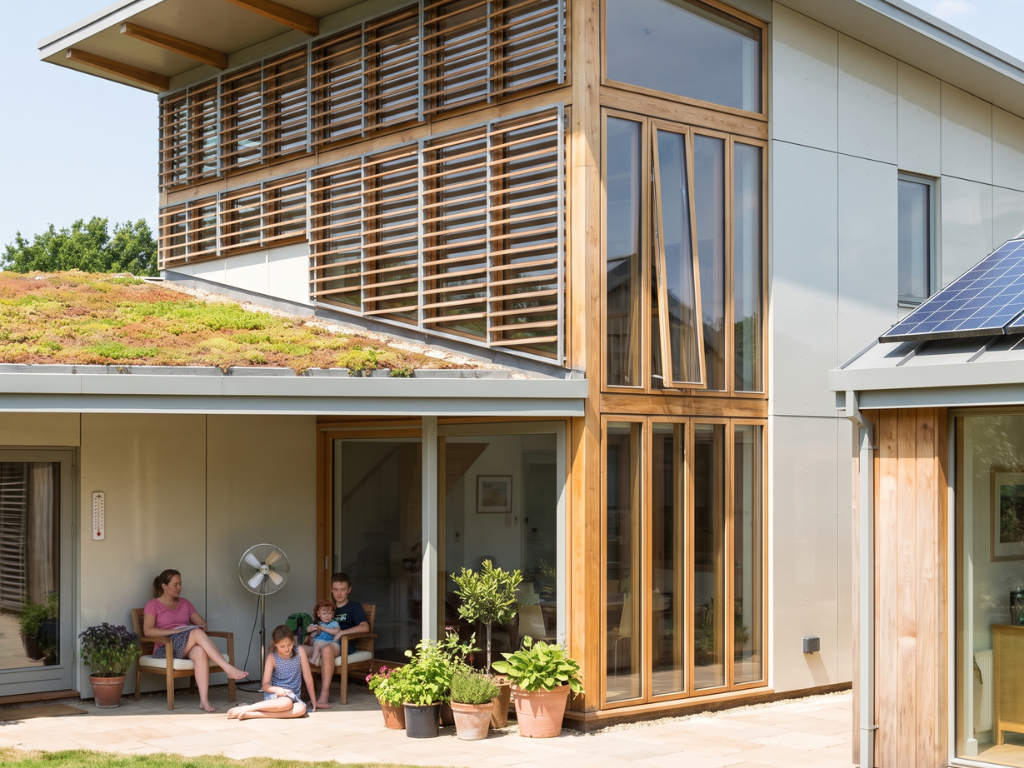
When temperatures soar, some homes remain surprisingly comfortable while others become unbearably hot. If you’ve ever walked into a neighbour’s house during a heatwave and wondered why it feels noticeably cooler than your own, the answer often lies in the property’s design, construction, and energy efficiency. As UK summers become warmer and heatwaves more frequent, homeowners are increasingly looking for ways to improve comfort without relying solely on fans or air conditioning. So, what makes the difference?
It’s Not Just About the Weather
While outdoor temperatures affect everyone, the way a home responds to heat can vary significantly. Factors such as insulation, ventilation, glazing, roof design, and layout all influence how much heat enters and remains trapped inside a property. A well-designed home can stay comfortable for much longer, even during periods of extreme heat.
The Role of Insulation
Many people think insulation is only useful in winter, but it plays an equally important role during summer. Quality insulation helps slow the transfer of heat through walls and roofs, making it harder for external temperatures to affect indoor spaces. Homes with poor or outdated insulation often heat up more quickly and retain uncomfortable temperatures for longer.
Ventilation Makes a Bigger Difference Than You Think
One of the most effective ways to keep a house cool during a heatwave is through proper ventilation. Without airflow, heat becomes trapped indoors, particularly in upper floors and loft spaces.
Modern home designs often incorporate:
- Better window positioning
- Improved airflow routes
- Roof ventilation systems
- Open-plan layouts that encourage air circulation
These features help hot air escape and allow cooler air to move through the property more effectively.
Are Large Windows Making Your Home Hotter?
Natural light is a desirable feature in any home, but excessive glazing can contribute to overheating if not properly managed. Large windows, roof lanterns, and bi-fold doors can increase solar gain, especially in south-facing rooms. However, glazing itself isn’t the problem. The key is choosing the right glass specification and combining it with suitable shading and ventilation. Modern glazing technologies can help reduce unwanted heat gain while still allowing plenty of natural light into the home.
Why Roof Design Matters
The roof is often one of the biggest sources of heat gain in a property. Poorly insulated loft spaces can become extremely hot during summer, allowing heat to transfer into bedrooms and upper floors below. Upgrading roof insulation, improving ventilation, and using modern construction techniques can dramatically improve comfort levels throughout the home.
Modern Extensions Can Be Cooler Than Older Rooms
Many homeowners worry that adding an extension will create a space that becomes too hot during summer. In reality, a professionally designed extension can often perform better than the original property.
Today’s extensions benefit from:
- Modern insulation standards
- Energy-efficient glazing
- Improved ventilation
- Thoughtful orientation and shading
- High-performance building materials
When planned correctly, extensions can remain bright, airy, and comfortable throughout the year.
Design Features That Help Homes Stay Cool
Several design elements can help reduce overheating:
External Shading
Pergolas, overhangs, landscaping, and external blinds can limit direct sunlight entering the home.
High-Performance Windows and Doors
Modern glazing systems are designed to improve thermal performance in both summer and winter.
Smart Layout Design
Positioning living areas, windows, and ventilation routes correctly can significantly improve comfort.
Energy-Efficient Building Materials
Modern construction methods can help regulate indoor temperatures more effectively than older building techniques.
Future-Proofing Your Home
The way we think about home improvements is changing. Traditionally, energy efficiency has focused on keeping homes warm and reducing heating bills. Today, homeowners also need to consider how their property performs during hotter weather. Whether you’re planning a renovation, extension, loft conversion, or new-build project, designing for year-round comfort is becoming increasingly important.
How Suburban Group Creates Comfortable Living Spaces
At Suburban Group, we believe a home should be comfortable in every season. Our design-and-build approach considers not only aesthetics and functionality but also how a property will perform throughout the year. From insulation and ventilation to glazing and layout, every detail contributes to creating a more enjoyable living environment.
Working across South London and Surrey, we help homeowners transform their properties through high-quality extensions, loft conversions, renovations, and bespoke design-and-build projects.
Suburban’s Final Takeaway
If your home feels like a greenhouse every summer, it may not simply be bad luck or unusually hot weather. Often, overheating is the result of how a property has been designed, built, or updated over time. By investing in the right improvements, homeowners can create cooler, more comfortable living spaces that perform better during heatwaves while remaining energy efficient throughout the year.
If you’re considering an extension, renovation, or home improvement project, Suburban Group can help you design a property that works with the seasons, not against them. Contact the team today to discuss your needs.
